Lego Debuts 'Smart Brick' at CES, Bringing Light, Sound and Silicon Into the Classic 2x4
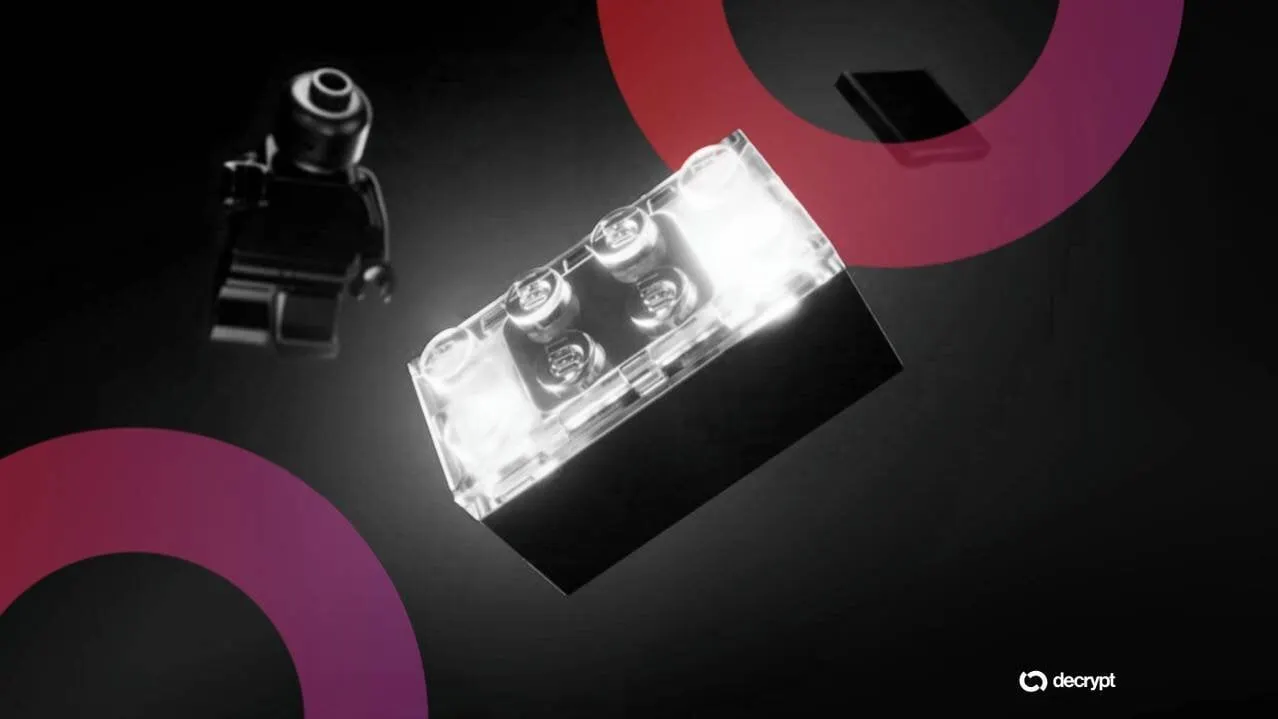
Lego’s new Smart Brick launched at CES, adding light, sound, and sensors to classic sets—without screens—starting with Star Wars.
The hottest product unveiled at CES 2026 this week? Lego's "Smart Brick," a tech-loaded 2x4 that adds lights, sounds and sensor-driven responses to traditional Lego sets—without requiring apps, displays, or external devices.
The Smart Brick embeds a miniature computer inside a standard Lego form factor. At its core is a custom application-specific integrated circuit, or ASIC, smaller than a single Lego stud.
The chip powers LED lighting effects, a built-in speaker with synthesized sound, an accelerometer to detect movement and orientation, NFC sensors to identify nearby pieces, and a light sensor that reacts to environmental changes. The brick also uses near-field magnetic positioning to enable precise interactions between components.
Lego calls the system its biggest change to the “System-in-Play” since the minifigure debuted in 1978. Unlike previous interactive sets, the Smart Brick is designed to operate entirely in the physical world. There is no power button, no screen and no required setup. The brick wakes on interaction and charges wirelessly via induction.
The real novelty lies in how the Smart Brick interacts with so-called Smart Tags—tiny embedded identifiers placed in compatible minifigures, tiles and accessories. When a tagged piece comes close, the brick triggers context-specific responses. A Luke Skywalker minifigure near a lightsaber can produce a low hum and glowing effect. Tilt an X-Wing build, and engine sounds or laser blasts fire in sync with the motion.
Multiple Smart Bricks can also communicate with one another using Lego’s proprietary Bluetooth-based protocol, BrickNet. The encrypted system allows sets to form a mesh network, enabling coordinated behavior across builds—such as timing races, tracking collisions, or triggering synchronized sound effects across a scene.
Lego emphasized privacy and child safety throughout the CES presentation. The microphone embedded in the brick functions only as a virtual button for simple voice commands and does not record audio. There is no camera, no cloud connectivity and no onboard AI processing.
“We wanted to enhance the magic of Lego without pulling kids into digital worlds,” said Julia Goldin, Lego’s chief product and marketing officer.
The Smart Brick will launch first in Star Wars-themed sets, available globally beginning March 1, with preorders opening Jan. 9. Initial releases include Luke’s Red Five X-Wing at $99.99, a $69.99 TIE Fighter, and a $159.99 Throne Room Duel and A-Wing bundle featuring interactive lightsaber battles. To keep prices from climbing higher, the sets are slightly smaller than standard minifig-scale models.
Reaction online has been divided. Fans praised the technology as a clever fusion of nostalgia and modern engineering, with some calling it one of Lego’s most ambitious ideas in years. Tech analysts noted that the approach differentiates Lego from rivals by blending digital behavior with tactile play, rather than replacing it.
Lego executives appear unfazed. The company holds more than 20 patents related to the Smart Brick system and plans to expand it beyond Star Wars into other themes, potentially including City and Technic. Future updates—delivered through a companion app designed for parents—could add new sounds and behaviors over time.
Related News
- Dogecoin Barks Up Huge Gains as Bitcoin Climbs and Meme Coins Show Signs of Life
- Morgan Stanley Registers Bitcoin and Solana Funds With SEC
- Crypto’s Next ‘Dominant Narrative’ Will Be Privacy: Arthur Hayes
- Maine Reaches $1.9M Settlement With Bitcoin ATM Operator Over Scam Losses
- Morning Minute: Real Estate Prediction Markets Are Here
- Ethereum Network Usage Hits Record High—But Traders More Bullish on Gold
- Sui, XRP Lead Gains as Crypto Market Momentum Mounts
- Why 2026 Could Redefine Crypto Market Structure
- Grayscale's Ethereum ETF Begins Paying Staking Rewards
- Bitcoin Gains Momentum as Traders Look for Confirmation
© 2026 DeFi.io